
One of the most common questions homeowners ask about pest control isn’t about price—it’s about frequency. Should pest control be done monthly, quarterly, yearly, or only when a problem appears? The answer depends on several factors, including where you live, the type of pests you’re dealing with, and how vulnerable your home is to infestations.
Many homeowners wait until pests become visible before taking action. While this approach can work in some cases, it often leads to recurring problems that cost more over time. Understanding how often pest control should be performed can help prevent infestations before they become expensive or disruptive.
This guide explains how pest control frequency works, what professionals typically recommend, and how homeowners can choose the right schedule for their situation.
Why Pest Control Frequency Matters
Pests rarely appear overnight. In most cases, infestations develop gradually. Insects and rodents enter through small gaps, find food sources, and multiply quietly before becoming noticeable.
Regular pest control helps by:
- Preventing pests before they establish colonies
- Reducing long-term damage to the home
- Lowering the likelihood of recurring infestations
- Creating a protective barrier around the property
Rather than reacting to a problem, scheduled pest control focuses on prevention.
Common Pest Control Service Schedules
Professional pest control companies typically offer several service frequency options. Each serves a different purpose.
One-Time Pest Control
A one-time treatment is usually performed when a homeowner has a specific pest issue and wants immediate relief.
Best for:
- Isolated pest sightings
- Minor infestations
- Homes with minimal pest history
Limitations:
- Does not provide long-term protection
- May require repeat visits if pests return
Monthly Pest Control
Monthly service is the most frequent option and is typically recommended for homes with persistent pest problems.
Best for:
- Severe or ongoing infestations
- Homes in high-risk areas
- Properties with prior pest damage
Pros:
- Continuous protection
- Early detection of new issues
Cons:
- Higher overall cost
Quarterly Pest Control (Every 3 Months)
Quarterly pest control is one of the most popular options for homeowners.
Best for:
- Preventative maintenance
- Moderate pest activity
- General household protection
This schedule aligns well with seasonal pest cycles and provides consistent coverage without the expense of monthly visits.
Annual Pest Control
Annual treatments are typically preventative and focus on inspection and basic protection.
Best for:
- Low-risk homes
- Areas with mild pest activity
- Homeowners who rarely experience infestations
Annual service may not be sufficient for homes with recurring pest issues.
Factors That Determine How Often Pest Control Is Needed
There is no universal schedule that works for every home. Several factors influence how often pest control should be performed.
1. Geographic Location
Climate plays a major role in pest activity.
- Warm, humid regions tend to have year-round pest pressure
- Colder climates may see seasonal pest activity
- Urban areas often have higher rodent populations
Homes in warmer climates typically require more frequent pest control.
2. Type of Pests
Different pests require different approaches.
- Ants and spiders may be controlled with quarterly service
- Cockroaches often require ongoing treatment
- Rodents may need monitoring and follow-ups
- Termites require inspections and long-term management
The more aggressive or destructive the pest, the more frequent service is usually needed.
3. Home Structure and Condition
Older homes or homes with structural gaps are more vulnerable to pests.
Risk factors include:
- Cracks in foundations
- Unsealed windows or doors
- Crawl spaces or basements
- Attached garages
Homes with more entry points often benefit from regular preventative service.
4. Surrounding Environment
The area around your home matters just as much as the home itself.
Higher risk environments include:
- Wooded areas
- Homes near water sources
- Properties with dense landscaping
- Areas near restaurants or dumpsters
Outdoor conditions can increase the likelihood of pests entering the home.
Seasonal Pest Control Considerations
Pest activity often follows seasonal patterns. Adjusting pest control frequency based on the season can improve effectiveness.
Spring
- Increased insect activity
- Ants and termites become more active
Summer
- High pest populations
- Flies, mosquitoes, and rodents seek shelter
Fall
- Rodents look for warmth
- Spiders and insects move indoors
Winter
- Fewer insects, but rodents remain active indoors
Quarterly service is often designed to match these seasonal shifts.
Preventative Pest Control vs Reactive Treatment
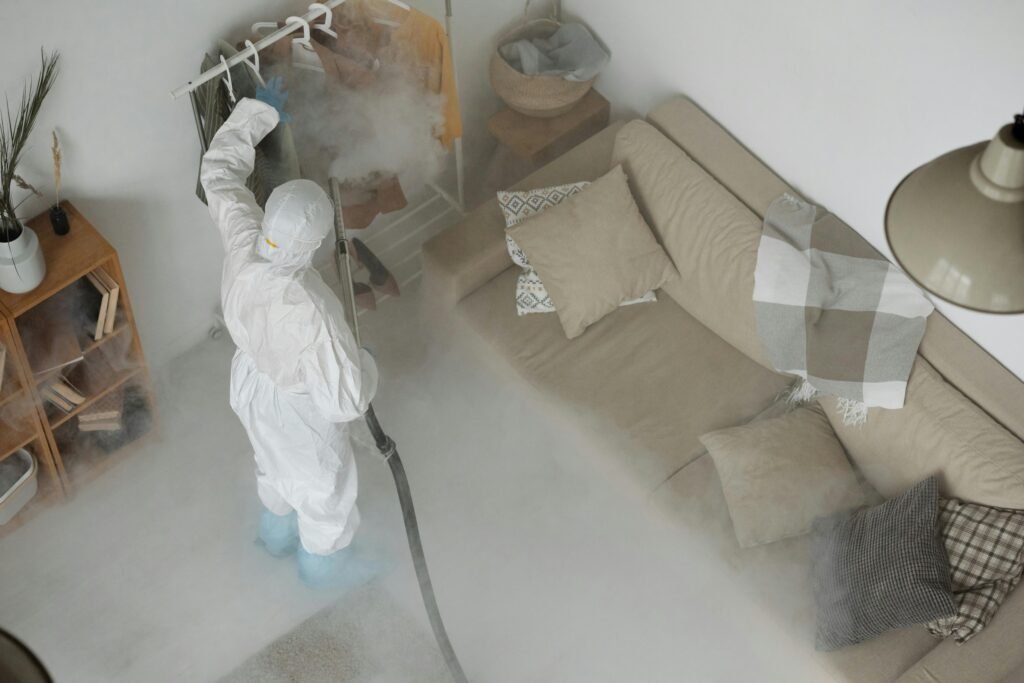
Preventative pest control focuses on stopping infestations before they start, while reactive treatment addresses existing problems.
Preventative service:
- Costs less over time
- Reduces emergency treatments
- Minimizes damage
Reactive treatment:
- Solves immediate problems
- May require multiple visits
- Often costs more long-term
Most professionals recommend preventative pest control for long-term peace of mind.
Signs You May Need More Frequent Pest Control
Even with a scheduled plan, some situations may require increased service frequency.
Watch for:
- Repeated pest sightings
- Droppings or nests
- Chewed wiring or wood
- Strange odors or sounds
If these signs appear, additional treatments may be necessary.
Can Homeowners Reduce the Need for Frequent Pest Control?
Yes. Good home maintenance can reduce pest activity and lower service needs.
Helpful habits include:
- Keeping food sealed and surfaces clean
- Reducing moisture and leaks
- Sealing cracks and entry points
- Maintaining landscaping away from the home
Pest control works best when paired with preventative home care.
Choosing the Right Pest Control Schedule
The best pest control schedule balances protection, cost, and risk. For many homeowners, quarterly service provides reliable coverage without unnecessary expense. Homes with ongoing issues may benefit from monthly service, while low-risk homes may only need annual inspections.
Consulting with a pest control professional can help determine the most effective schedule for your specific situation.
Final Thoughts: Finding the Right Balance
Pest control frequency isn’t about doing more—it’s about doing what’s necessary. The right schedule depends on your environment, pest history, and home structure.
By understanding how often pest control should be performed, homeowners can protect their property, reduce stress, and avoid costly infestations before they begin.